

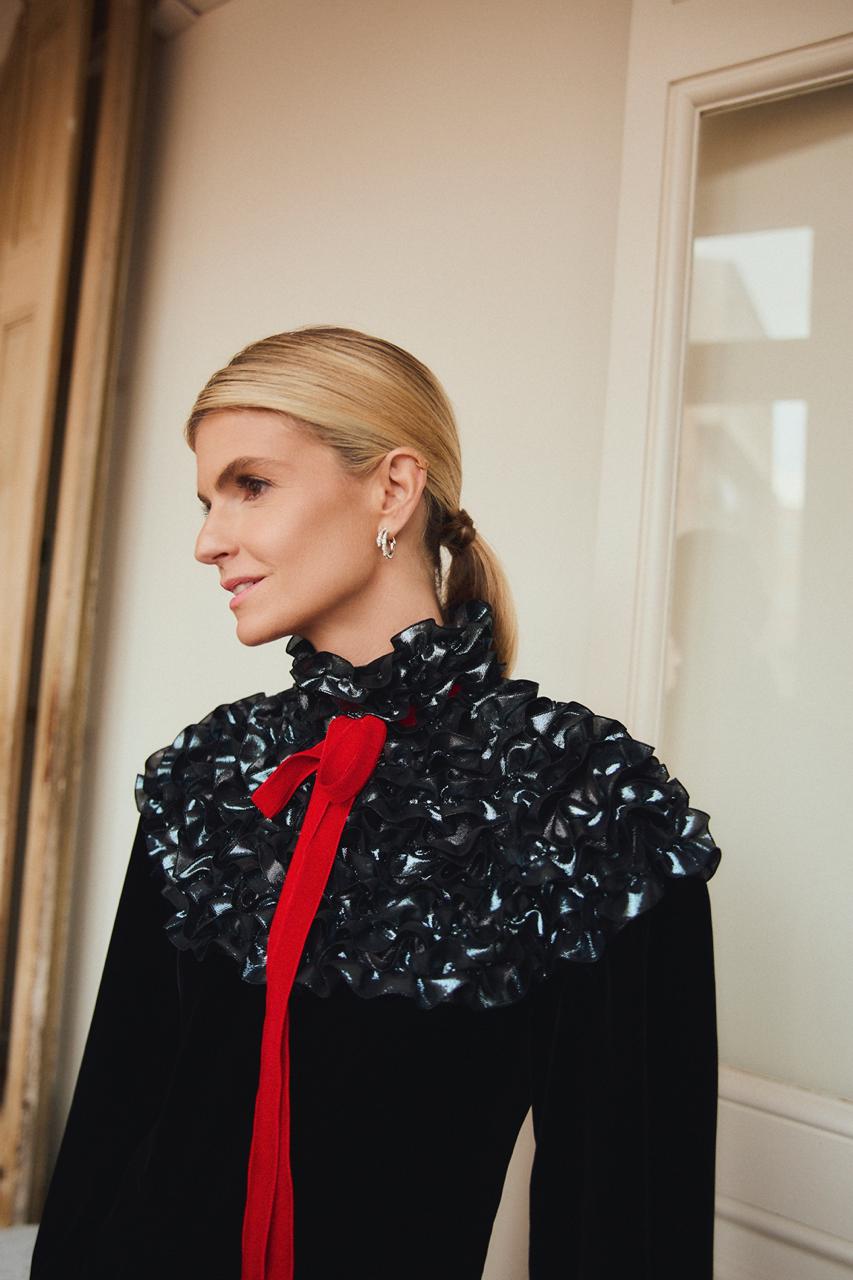
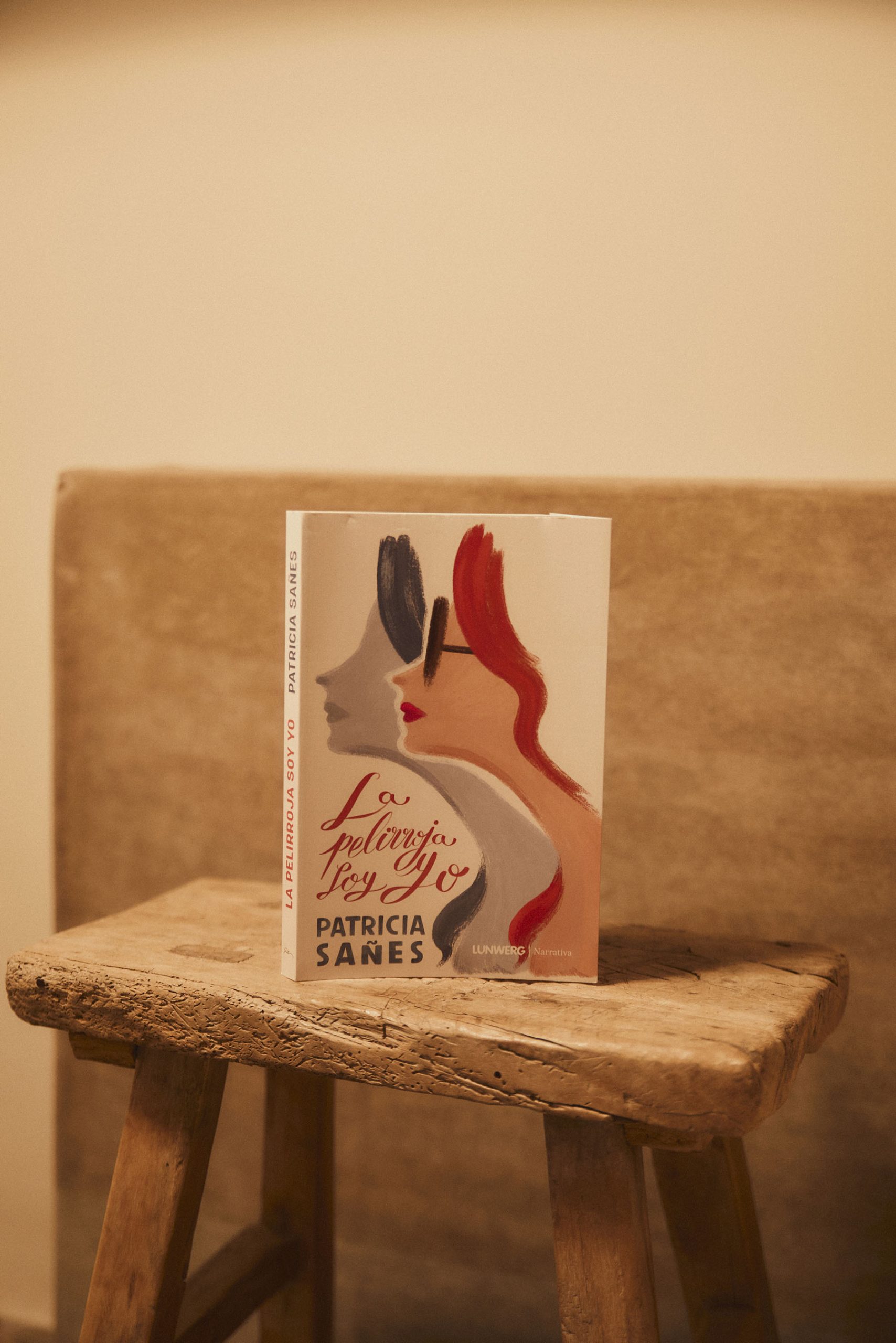
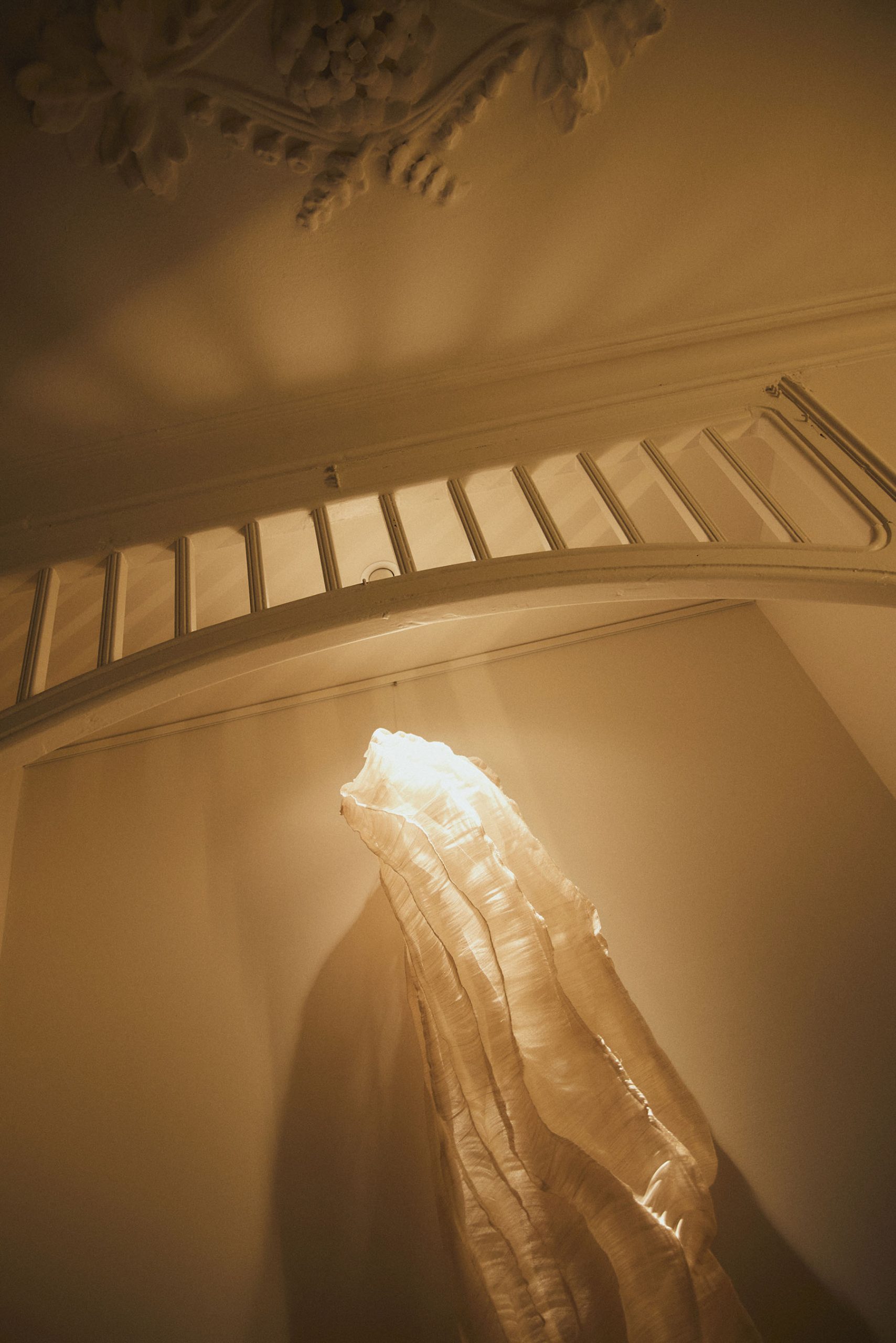
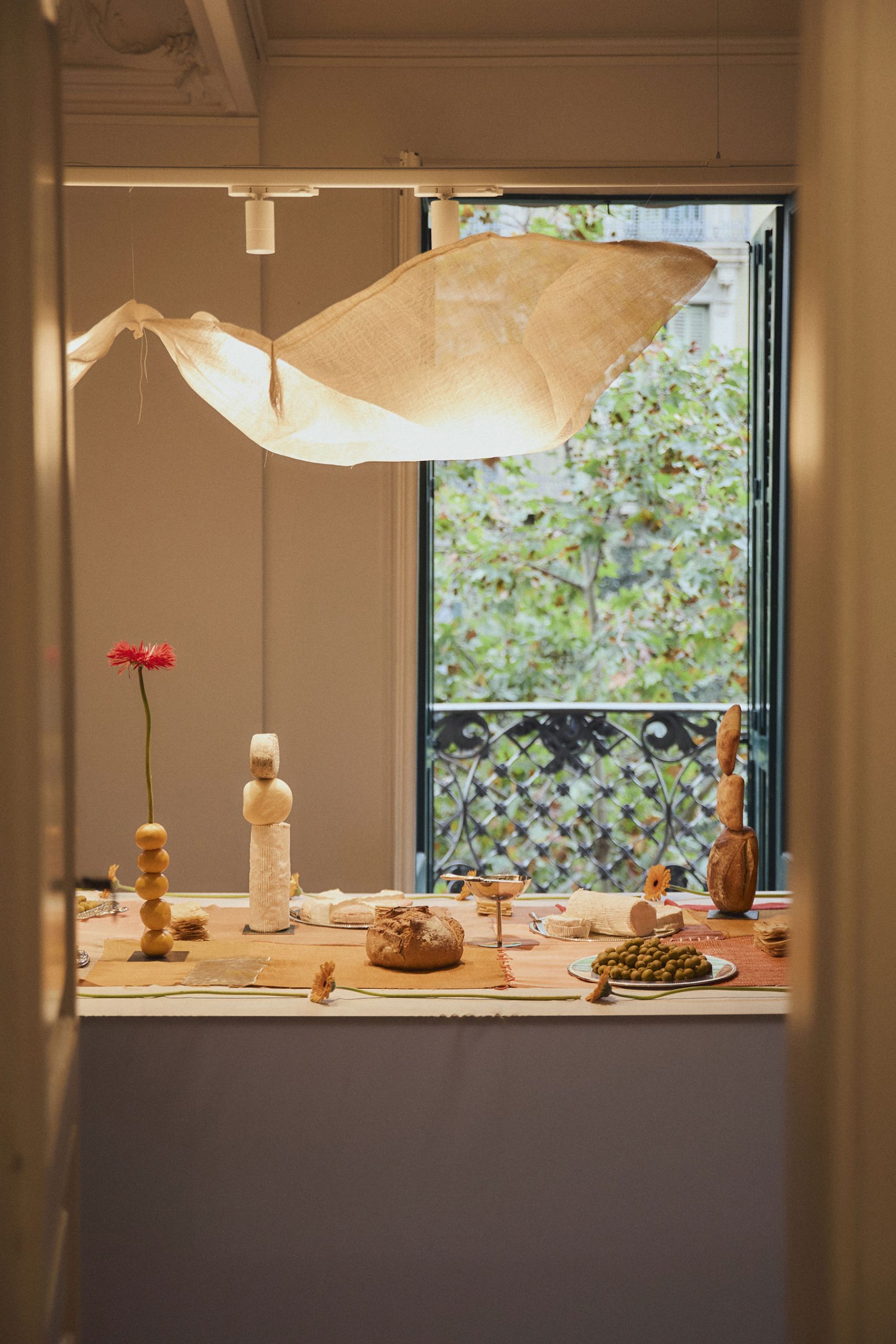
Last Monday, October 13, I attended the presentation of my dear friend Patricia Sañes’ first novel, I’m the Readhead (Lunwerg Editores, Grupo Planeta), at La Culture House — surrounded by the wonderful works of Eliurpi (Elisabet Urpí and Nacho Umpiérrez). The world of her book could be felt in every corner: a poetic table conceived by Clara Santa Isabel, filled with vases of tangerines, towers of cheese and bread, and a tapestry of reddish and orange fabrics — a living metaphor for the layers, inner fire, and nuances of the character’s identity. It was also a tribute to the protagonist’s infinite red mane.
It was an intimate, joyful presentation where aesthetics and words conversed, and friendship became celebration.
I’ve known Patricia for about fourteen years. I’ve seen her grow and establish herself as one of the most distinctive voices in fashion and lifestyle journalism — curious, sharp, and always in motion. The same spirit that has led her to projects, talks, and collaborations where she reflects on the direction of the industry and how to tell stories —about fashion, and about life— from an honest, personal place. Seeing her embark on this new adventure fills me with joy. I deeply respect and admire her; she’s one of the most genuine women I know.
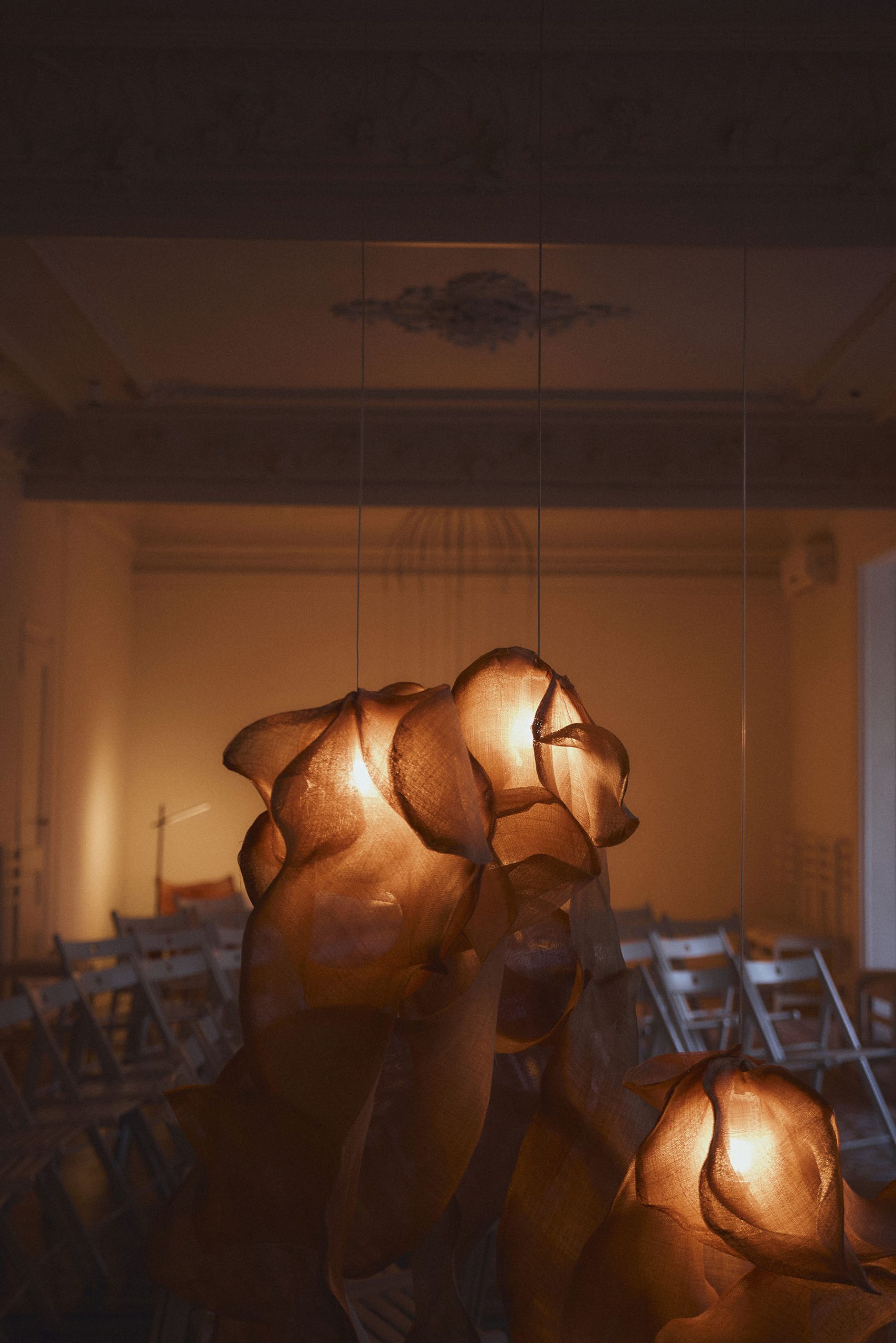
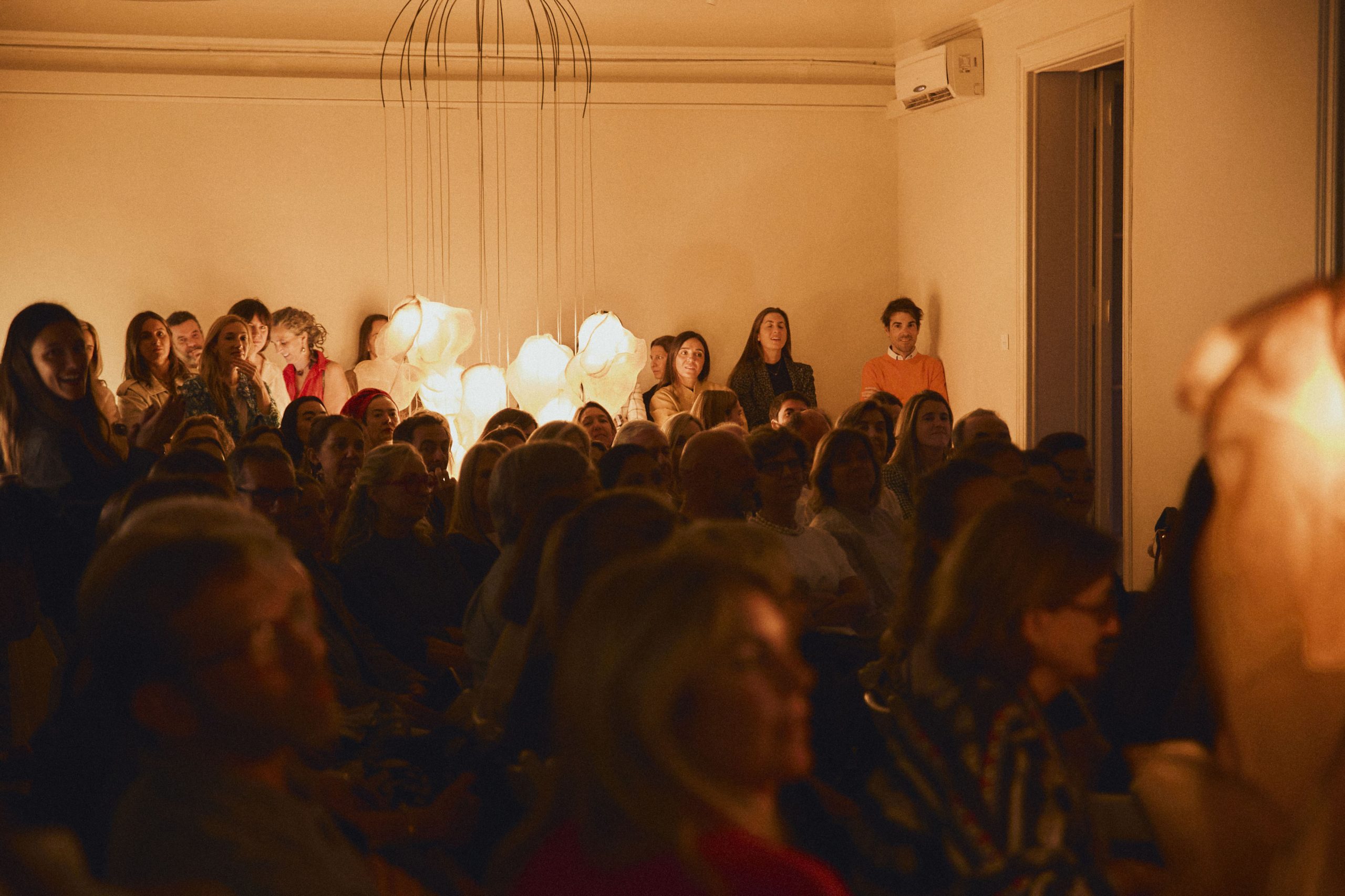
I’m the Redhead marks a new step in her career: a witty, acid novel that navigates the bittersweet chaos of a journalist’s accelerated life until she reaches the most magical —and often the hardest— encounter of all: the one with herself.
Ginevra, the protagonist, carries in her name a play of identity and satire — a redhead, a fashion journalist, and at the same time, that thirty-something woman hiding in her apartment with the blinds down, deep in catharsis. The book explores, with humor and a piercing voice, themes ranging from romantic love to self-love, from friendship bonds to the weight of the internal storm that can bring anyone to their knees. (Fragments and the synopsis perfectly capture that blend of irony and tenderness.)
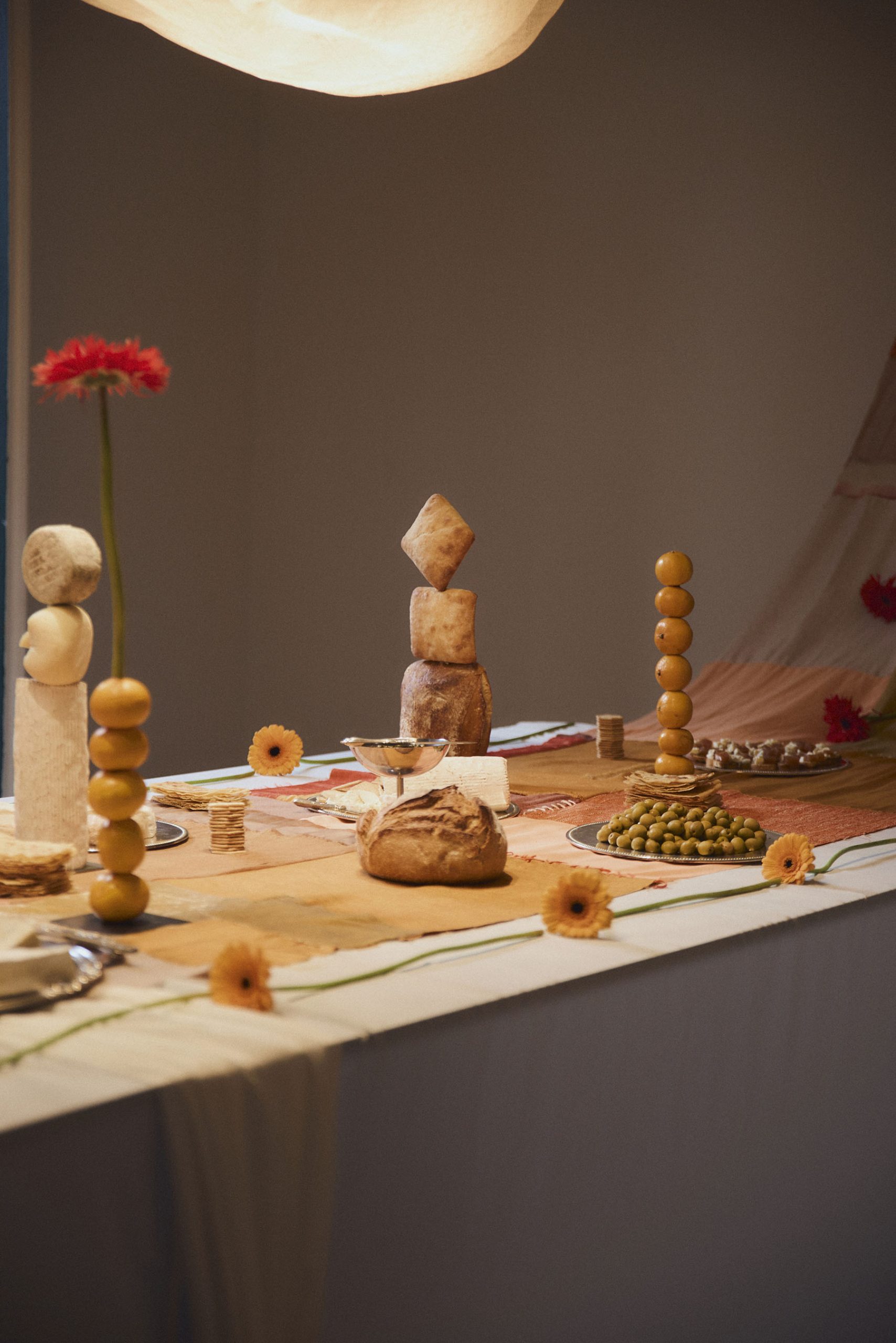
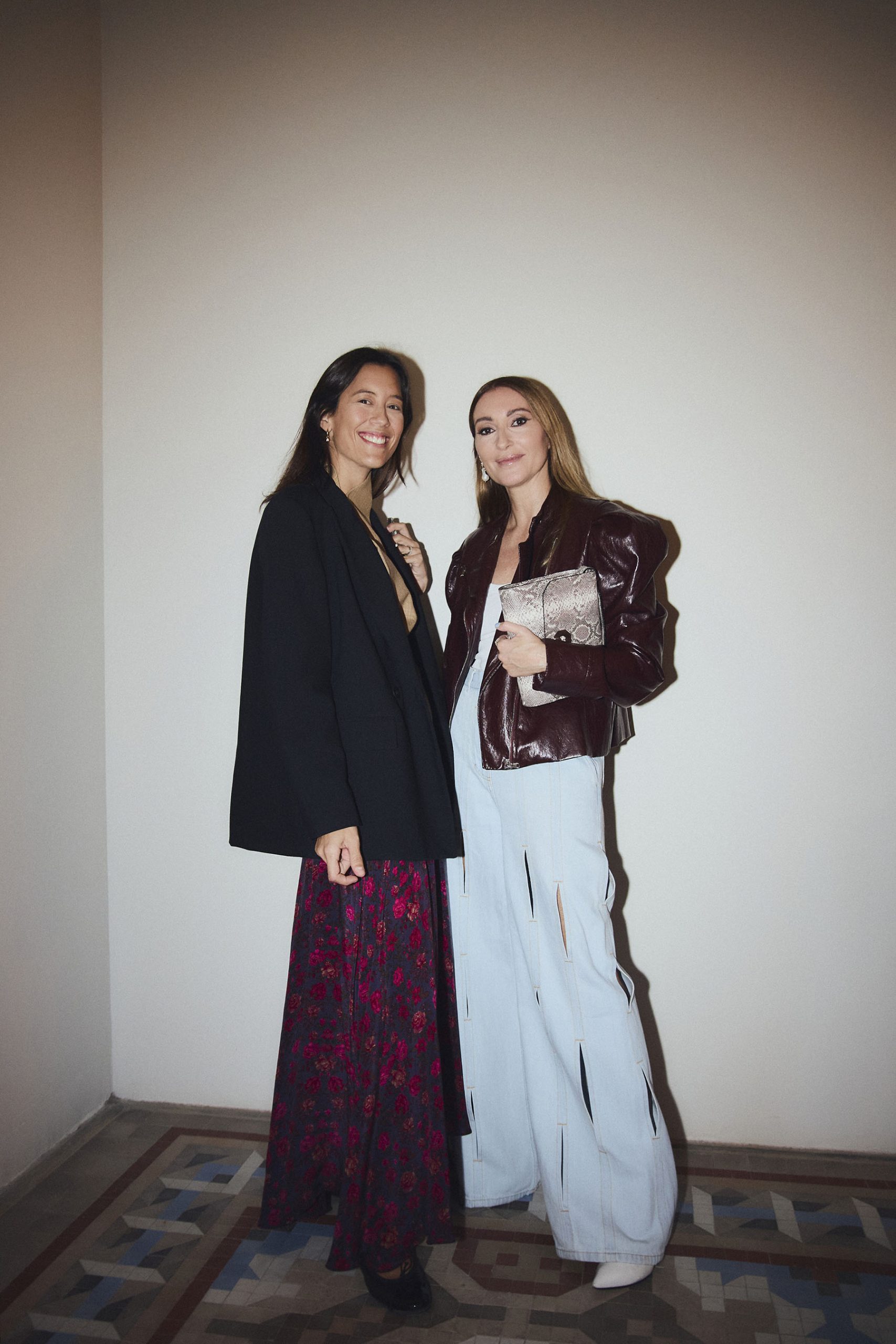
At the presentation, that reddish palette wrapping everything wasn’t accidental: it worked as a visual symbol of the character’s inner fire and the emotional intensity Patricia knows how to translate into words and scenes. We talked about fashion, yes, but also about identity — about undressing expectations and revealing vulnerability. Above all, we celebrated the courage it takes to write from an intimate place and to publish a debut novel that invites both laughter and self-reflection.
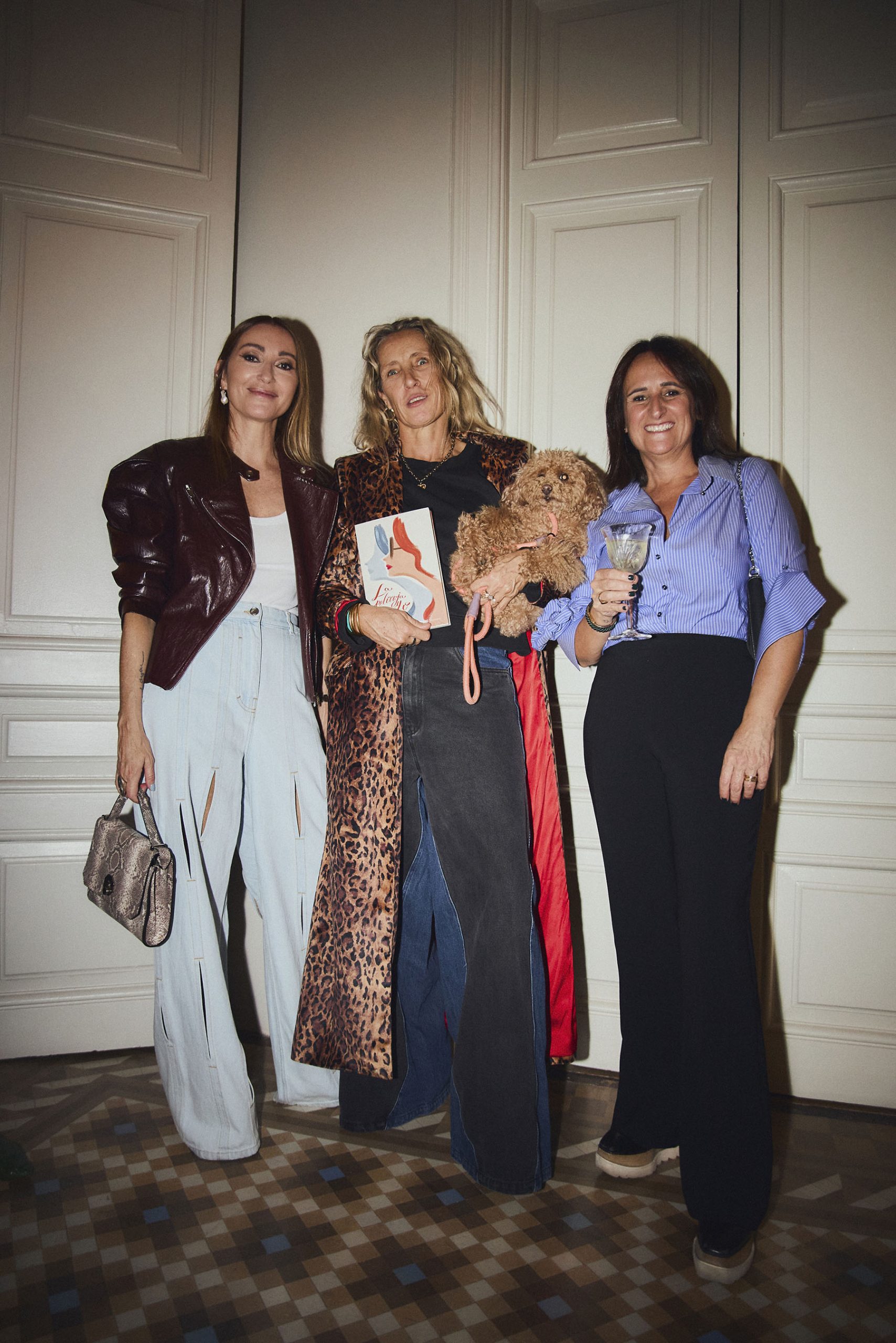
Patricia has brought her sharp eye and humor to fiction without softening the edges — with lines that sting, scenes that demand a smile and a pinch of empathy, and a narrator who invites us to walk with her through the cleansing of old wounds and the celebration of small, everyday victories.
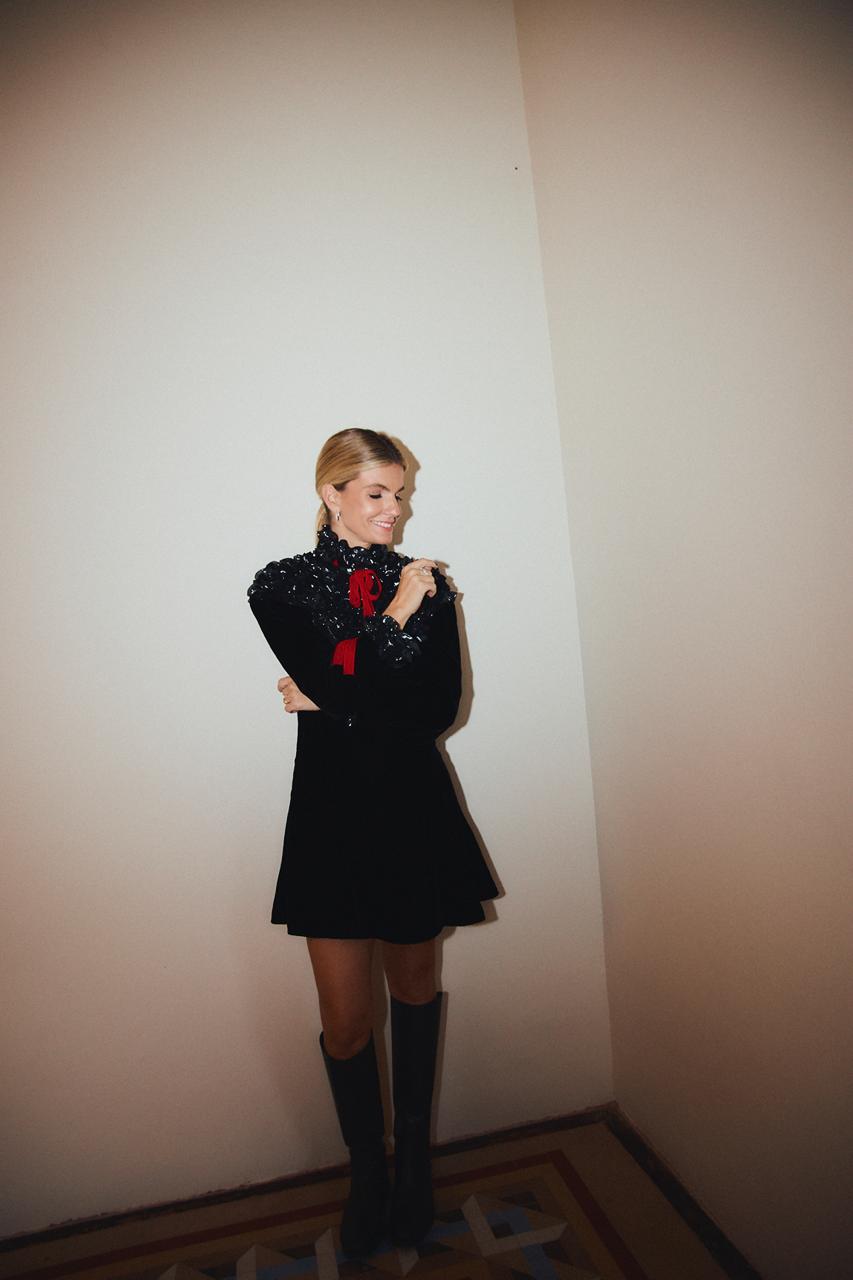
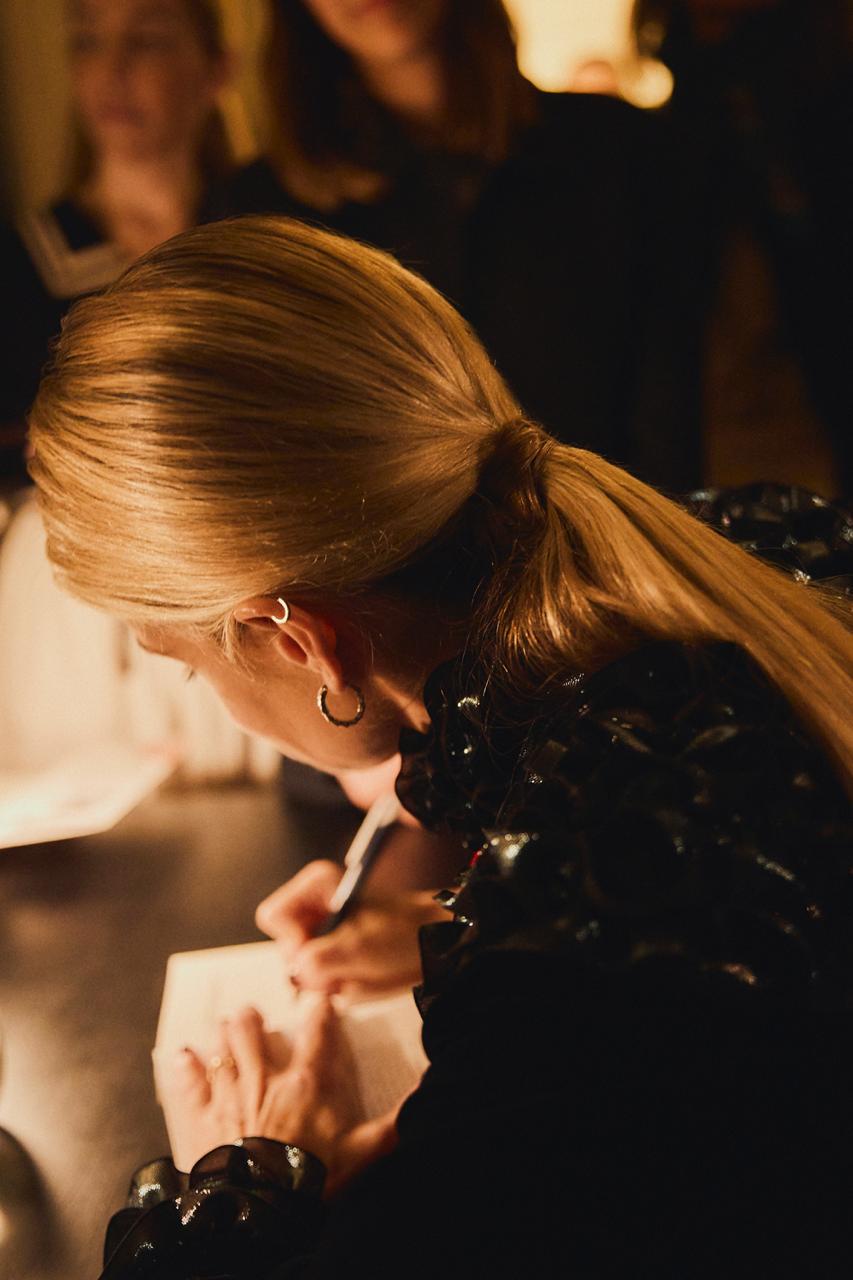
To accompany this piece, here are the questions from the mini-interview I designed with Patricia and her book in mind — questions meant to spark intimate, unexpected answers:
1. Ginevra is a redhead, with an acid voice and many emotional layers. What part of you lives in her, and how much have you “stolen” —traits, fears, quirks— to turn into character?
P.S.: All of her restlessness is mine too. It’s true that the way she faces situations or understands life —she’s younger, afraid of committing emotionally and sentimentally in long-term relationships that might compromise her misunderstood independence, her insecurity, her emotional block— there, we diverge a lot. In the way we live, we’re almost opposites.
2. During the presentation I saw a scene filled with reddish fabrics, tangerines, cheeses… a very powerful visual metaphor. If that set were a fragment of your novel turned into a real space, where would you sit with Ginevra and what would you talk about?
P.S.: I’d sit at the table, because that’s probably what best represents her world and mine. It’s where they converge — there’s art, cheese, color — and that unites us. Then there’s also her world: those reddish-orange tones, those burnt toasts contrasting with the white ones, representing the character’s light and shadow. That’s more Ginevra.
And what would I talk about with her? I’d try to understand where her fears come from, and dismantle that armor she faces the world with, so she could have real relationships and open herself up completely to people, to emotions. I think life is better that way — giving it all, even if it means risking more pain. Life must be lived and squeezed to the fullest, with all its ups and downs. Long live that.
3. The novel speaks of inner storms, self-love, and the deconstruction of a lost thirty-something. Was there a precise moment, a sentence, or an event in your life that sparked this literary journey?
P.S.: There wasn’t one specific spark that set me off — it was something I’d been trying to bring to light for three years, but motherhood slowed everything down. And as I approached forty, I felt it was time to reconnect with Patricia the journalist — to find myself again.
These forty years have been a continuous search, an attempt to understand what truly makes me happy and what doesn’t, what belongs to me and what doesn’t. Sometimes, in fashion, I felt a little orphaned, and through literature —without leaving fashion behind— I’ve found myself again. I’ve realized all those sides belong to me.
That need to complete the Patricia I am — that was the spark. I told myself: “Now or never.” And during my daughter Alegra’s first year of life, I launched this project that means so much to me. Family is the most important thing, but so is my professional life — to feel fulfilled. I’ve given my all as a mother (and will keep doing so), but now it’s time to pour myself into my work, after three difficult pregnancies that kept my career on hold.
4. Imagine Ginevra stepping out of your novel into the real world for a day. What advice would you give her, as both friend and author, to survive the fast-paced life, the shuttered-blind days, and invisible crises?
P.S.: I’d tell her not to go through those days alone — to seek a therapist’s help. I think that should be her ultimate goal: to live raw, without pills —if she can— and if she needs them, then welcome them. I’d tell her to surround herself with people who truly love her, and to cling, in that darkness, to the small moments or pleasures that can bring back daily joy. To look for any excuse or person that literally helps her out of bed. Because otherwise, everything gets worse — the hole deepens and darkens.
5. “The mind is treacherous,” you say in the synopsis. What technique, ritual, or literary antidote saves you from your own inner betrayals during the writing process —the ‘dark room’?
P.S.: What saves me is stopping mid-morning to get a hot coffee in winter —or an iced latte in summer— reminding myself that time can move slowly if we allow it. No rush, no stress, no pressure. I associate that with my morning coffee moment.
And then, sports. Taking a break. “Pilatera” —that’s what the protagonist is, and what I am too. Being fully aware of my body during exercise helps me focus my mind entirely on movement. It’s a mental detox — a soul detox that saves you from many things.
6. (Bonus) What parts of the book could shift in tone —from acid to poetic, or vice versa— if you rewrote them today, and why?
P.S.: Everything related to Claudio. You can always portray romantic love in a more poetic or more raw way, but I wanted to write it truthfully — as the protagonist feels it. All her ups and downs, everything Claudio makes her feel. I didn’t want to over-poeticize it, so the reader could truly sense what Ginevra is feeling in that moment.
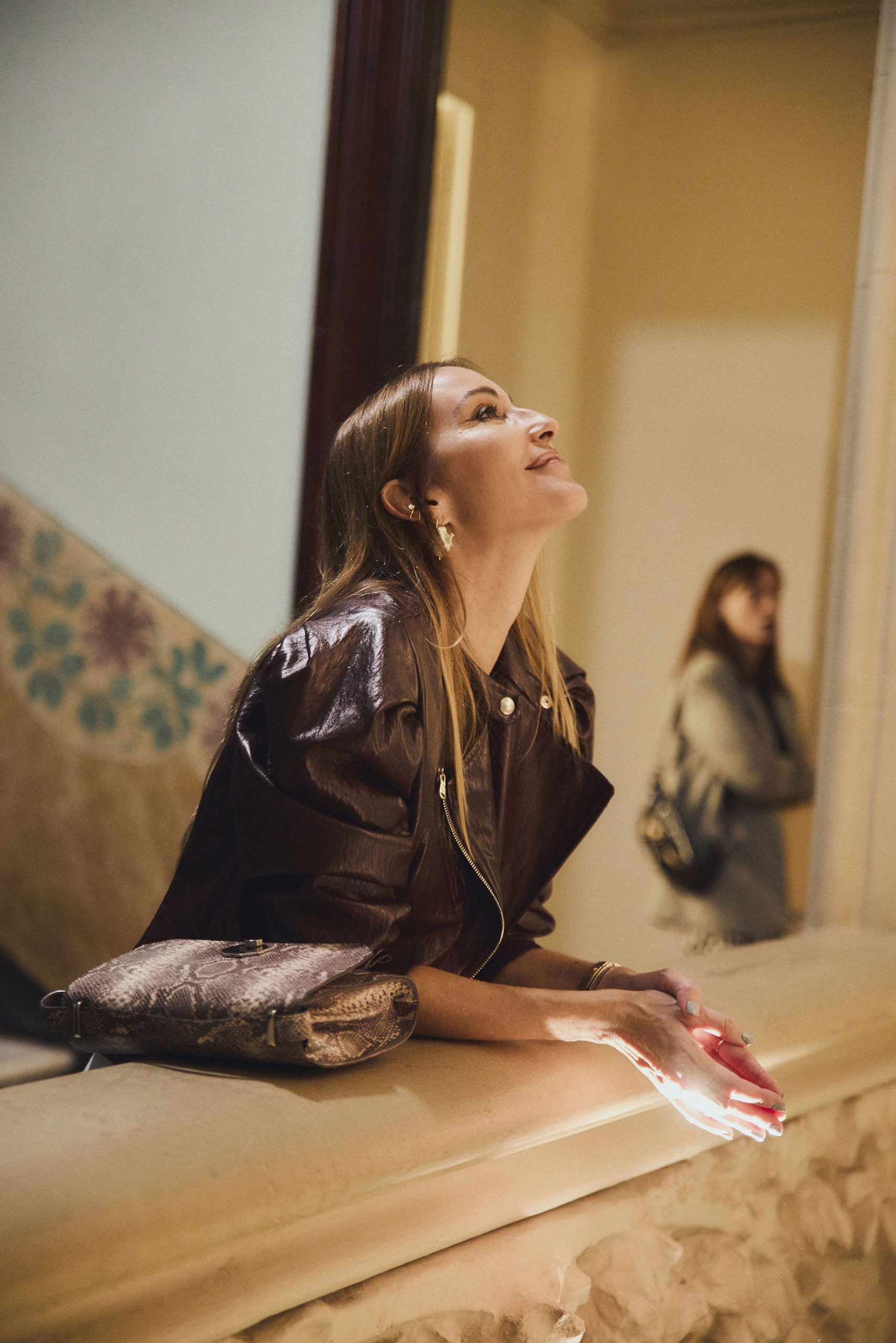
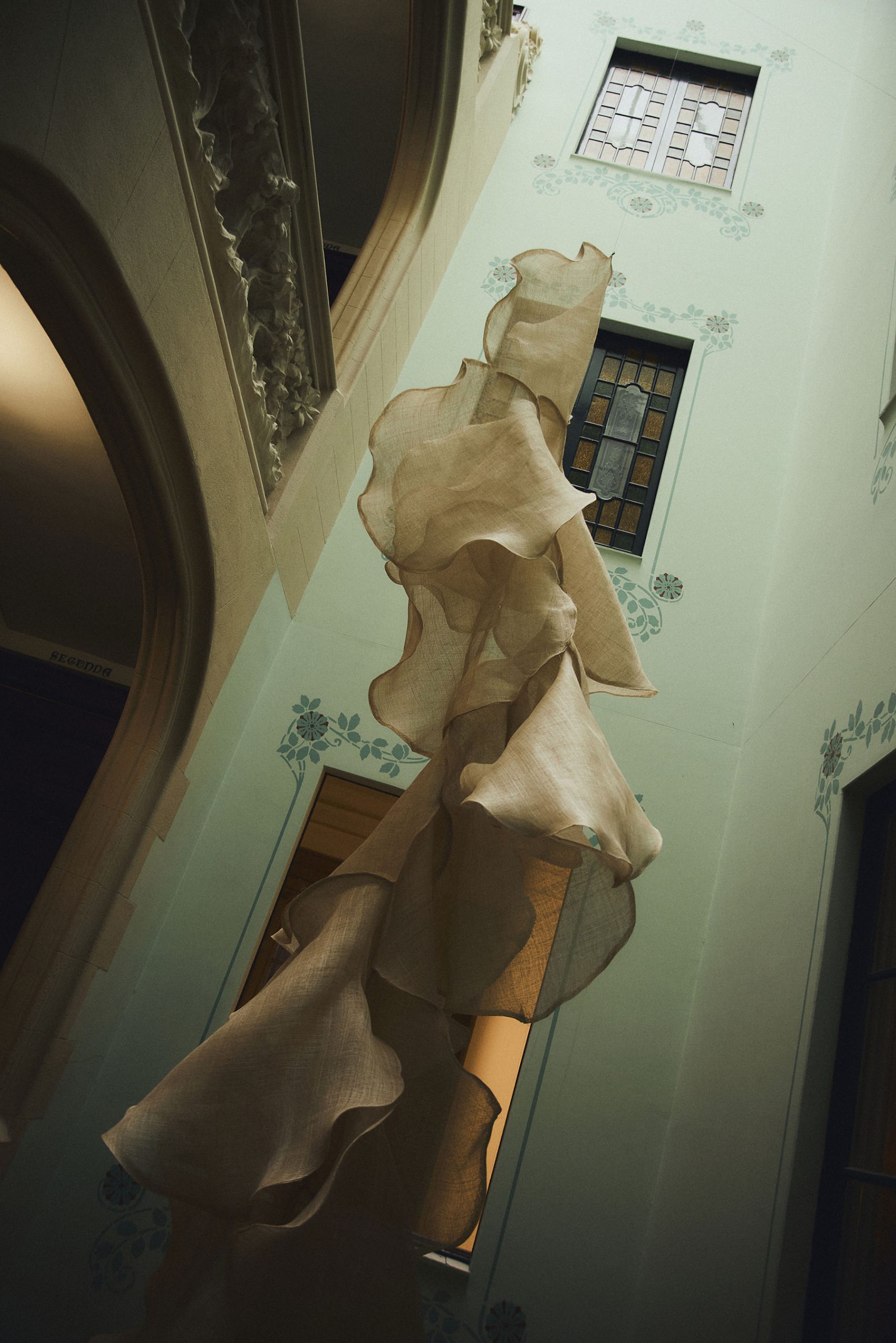
Closing with something like this isn’t a minor act — it’s about celebrating friendship, craft, and the ability to transform experience into literature.
Congratulations, Patricia — for the book, the staging, and for reminding us that beneath irony there can beat a heart searching for home.
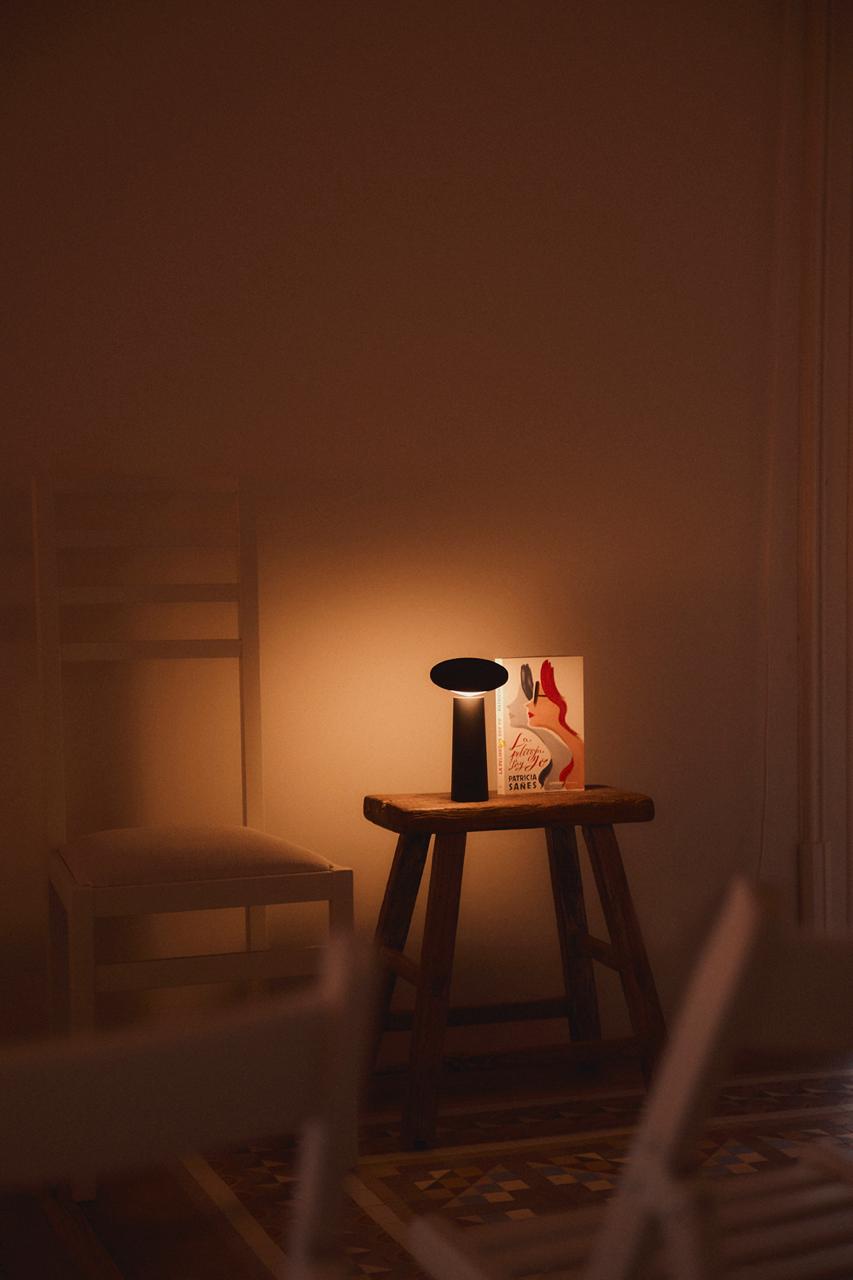
Photographs: Patricia Bonet.


No Comments